Following our brief sojourn in Ravenshoe, I decided a slight detour to Mount Hypipamee National Park was in order. I find a bit of geological drama always makes for a stimulating day.
The park itself is relatively small, easily accessible, and well-maintained, making it a simple excursion even for those who prefer their wilderness experiences with a distinct lack of actual "wilderness."
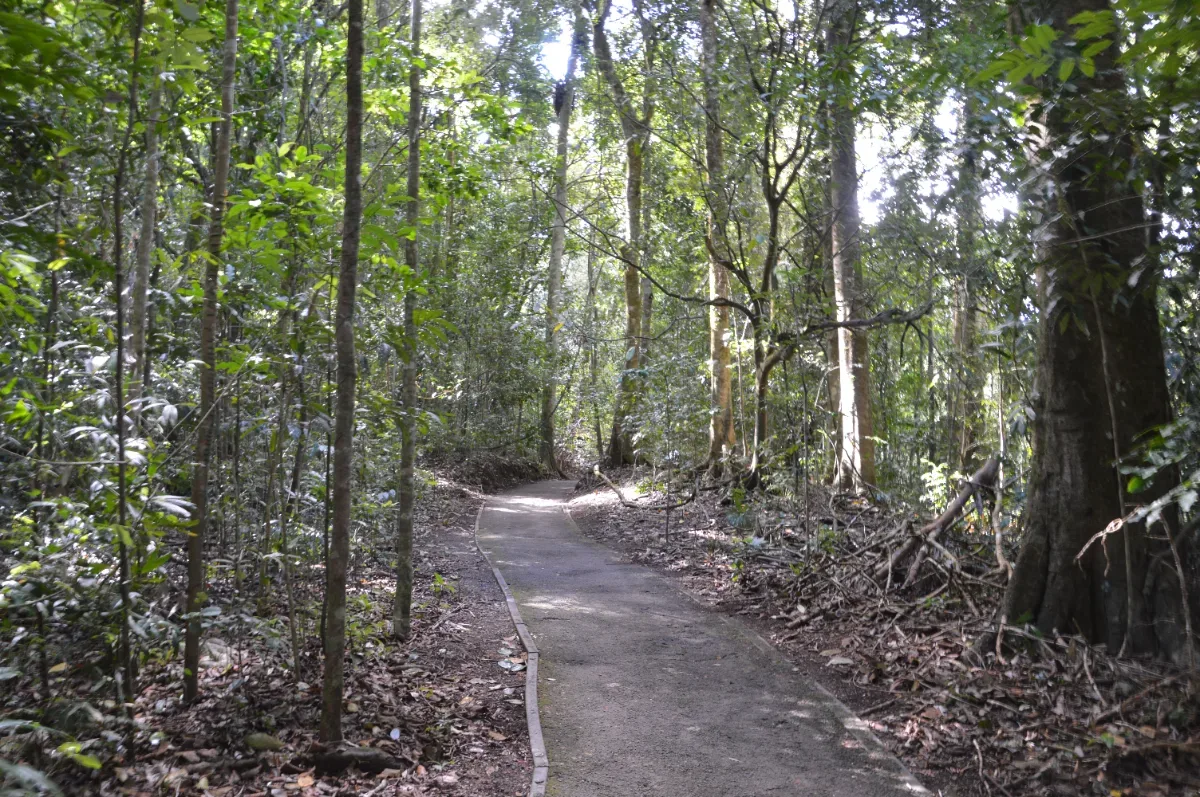
The primary attraction, of course, is the Hypipamee Crater. It's not, as the name might suggest, a volcanic crater in the traditional sense. Instead, it's a "diatreme," formed by a massive gas explosion that occurred sometime in the distant past. Geologists are still debating the exact mechanics, but the result is an impressive hole in the ground nearly 60 meters wide and over 80 meters deep. Gazing into the murky depths certainly provokes a touch of awe, and perhaps a slight feeling of unease.
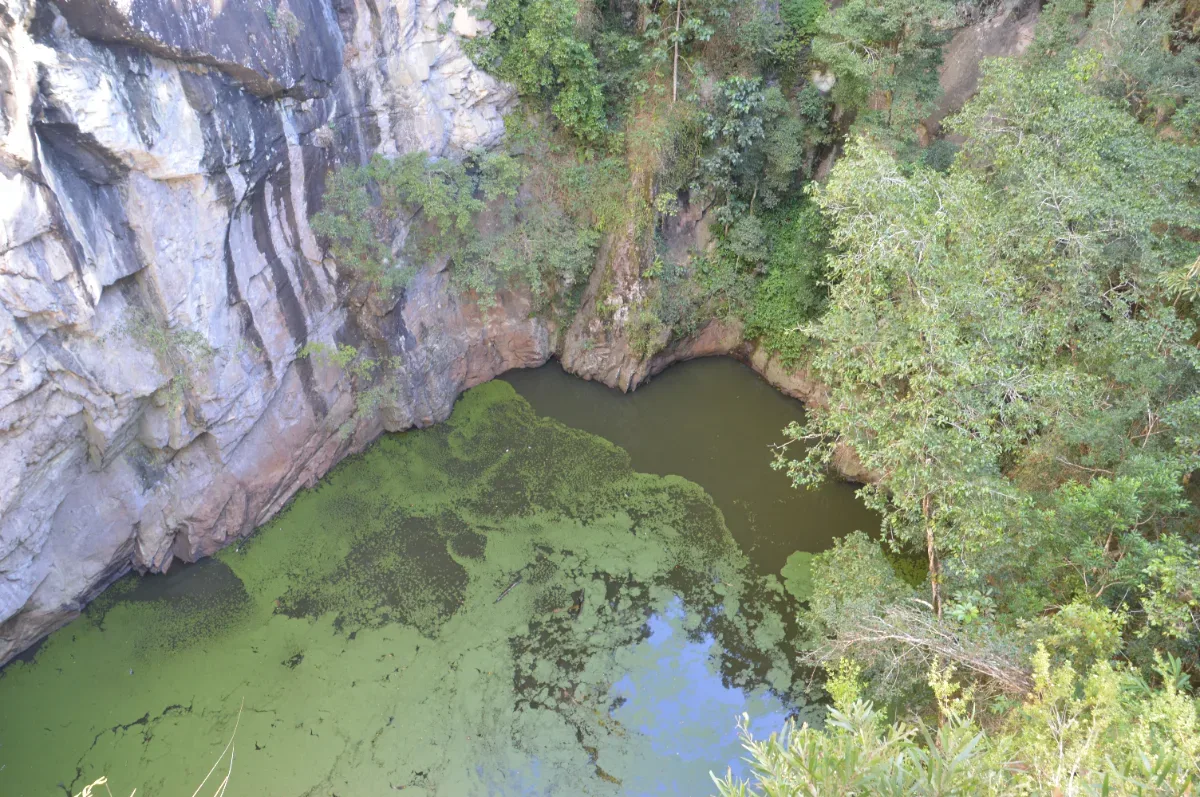
It's not the sort of place you'd want to misstep, let me tell you.
Beyond the crater, a short stroll through the rainforest reveals a more subtle, but no less interesting, beauty. Towering trees draped with epiphytes create a cool, shaded canopy.
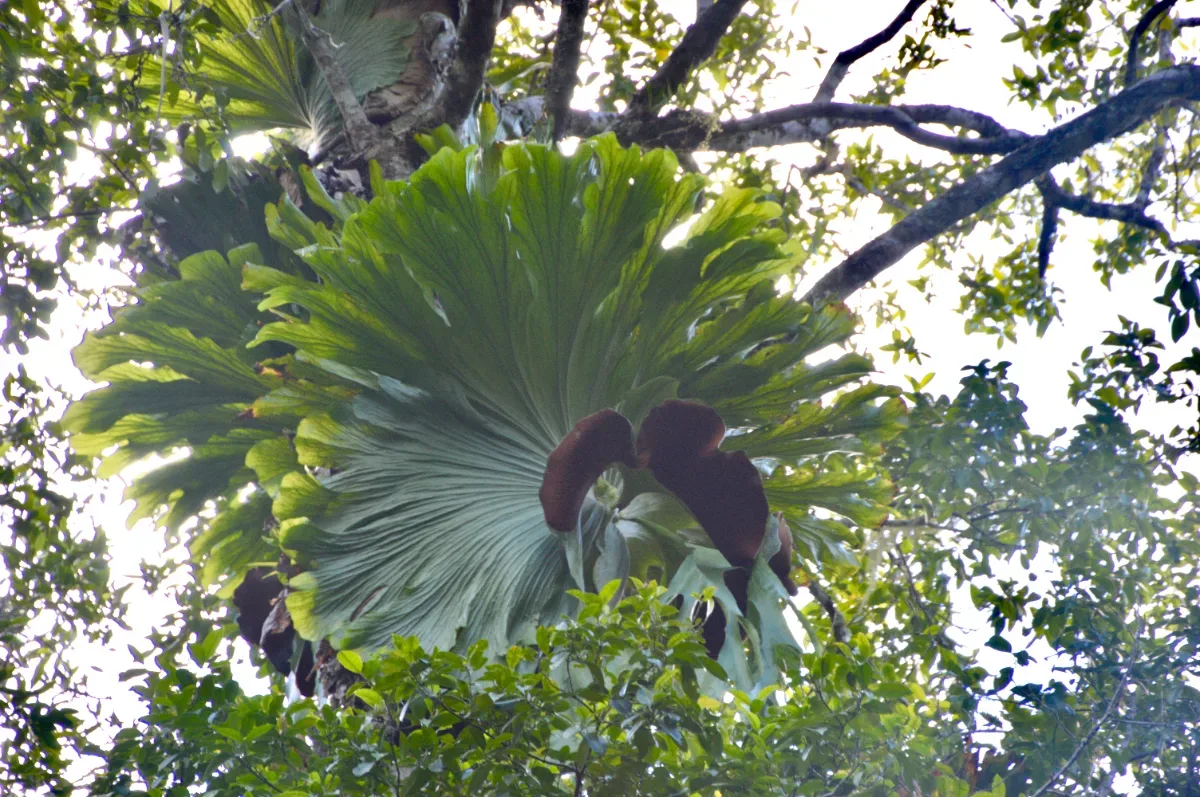
It's remarkable how quickly the landscape transforms in this part of Queensland.
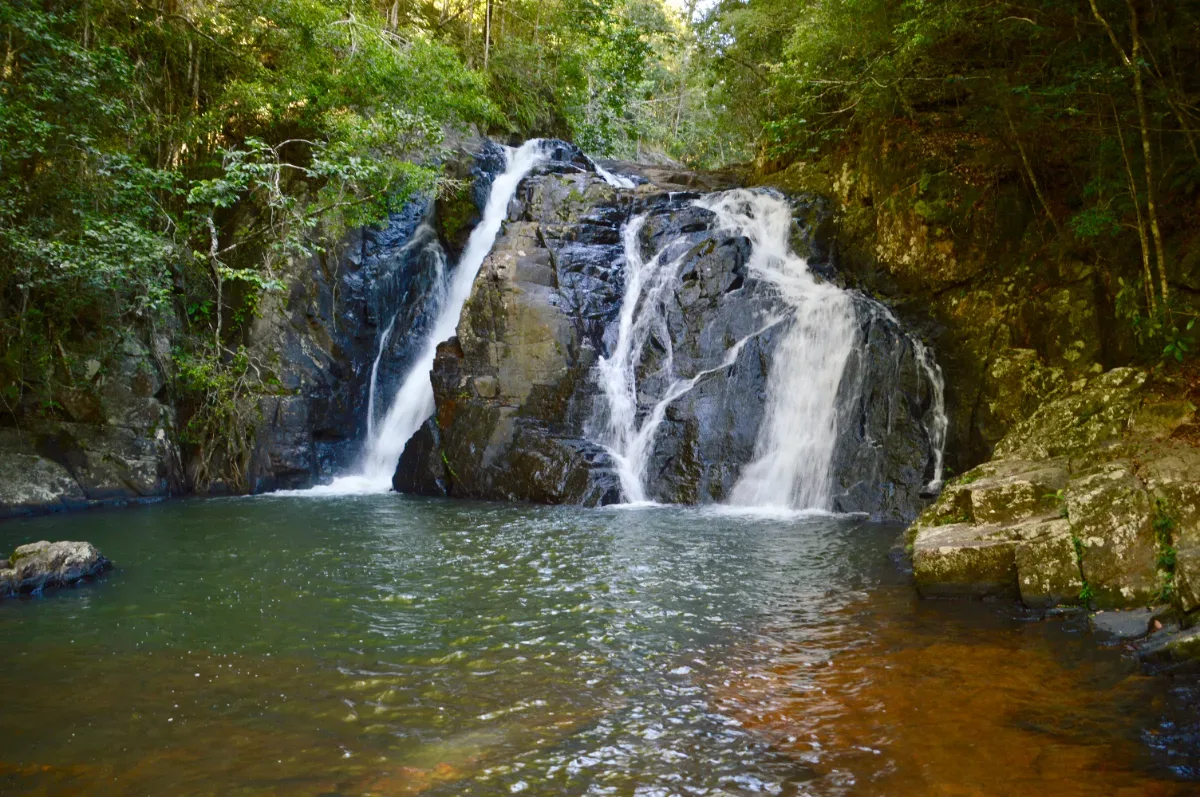
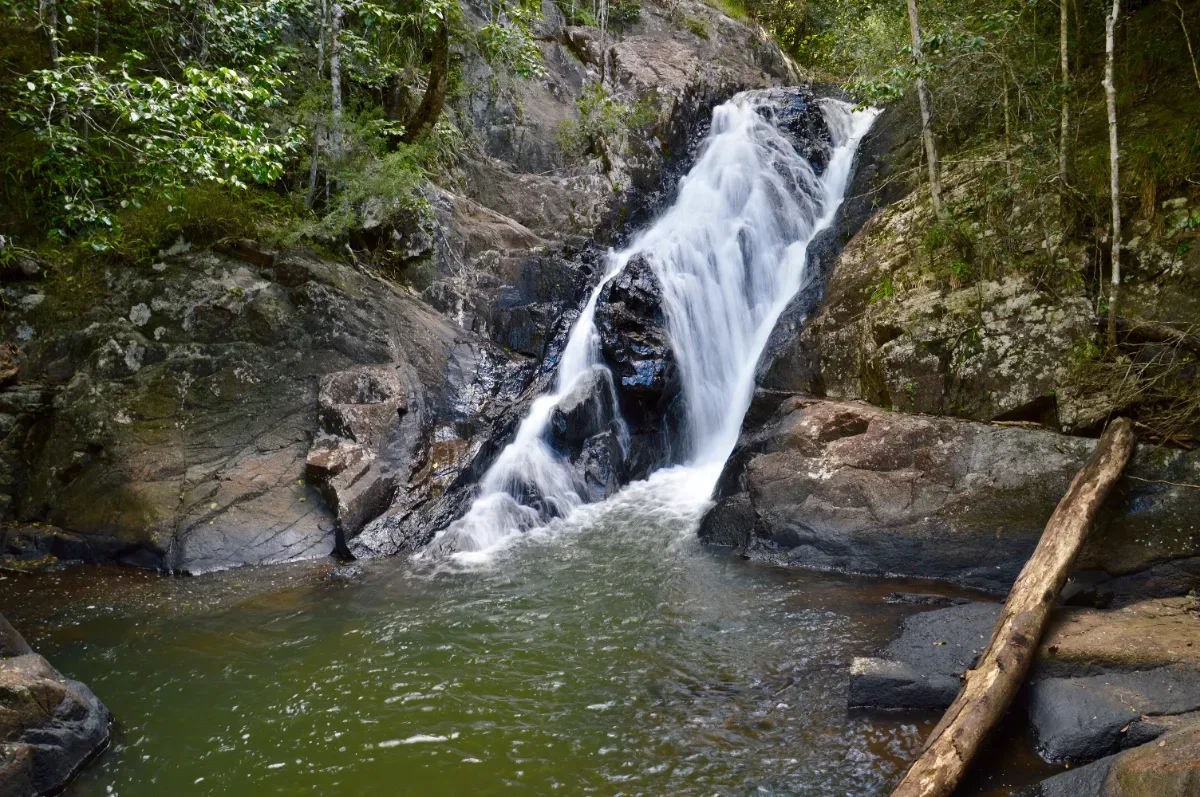
Nearby, the Dinner Falls offer a contrasting spectacle. These picturesque cascades tumble over basalt cliffs into a series of pools.
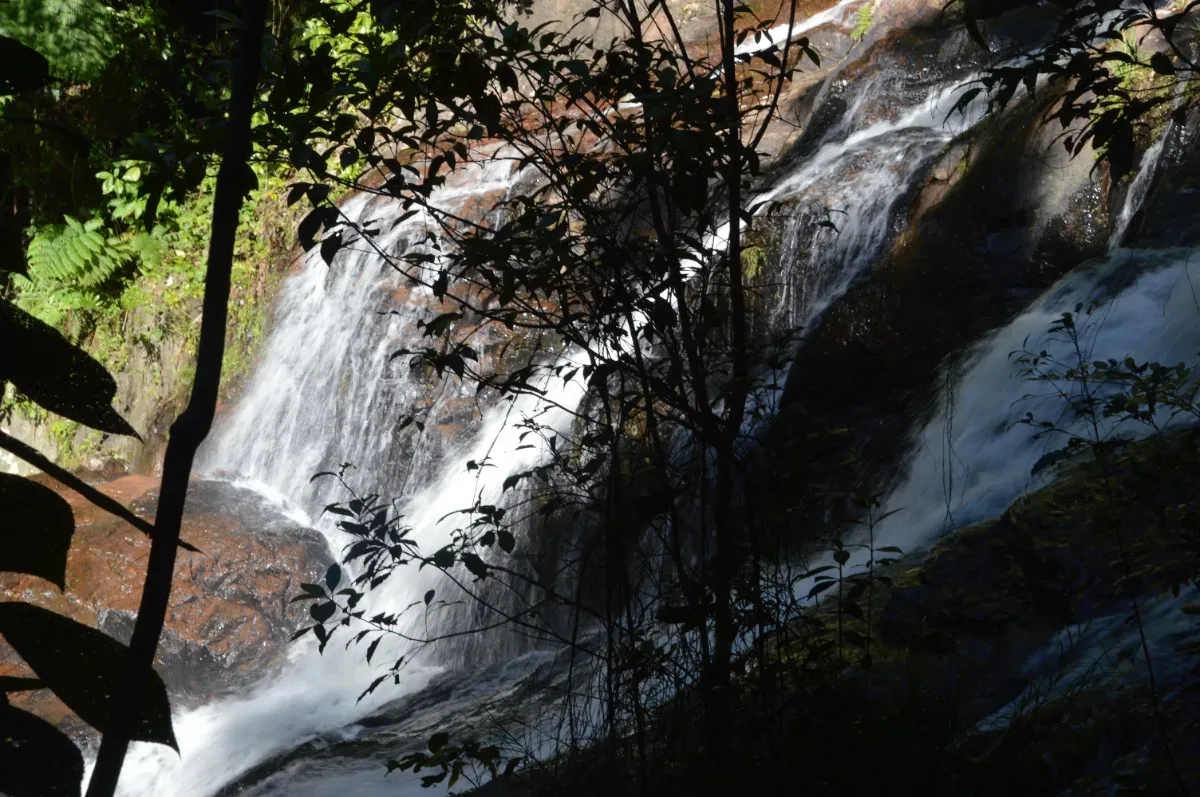
There are a couple of viewing platforms and well-worn paths offering various vantage points, and the falls provide a refreshing break from the relative stillness of the crater area. The name "Dinner Falls" doesn't seem to derive from some grizzly historical event involving a poorly-prepared meal, but, rather, from a local cattleman named Jack Dinner.
Mount Hypipamee National Park is a worthwhile stop, easily accomplished in a few hours. It’s a reminder that Queensland is not just about beaches and sunshine; it also boasts some fascinating, and sometimes slightly unnerving, geological features.